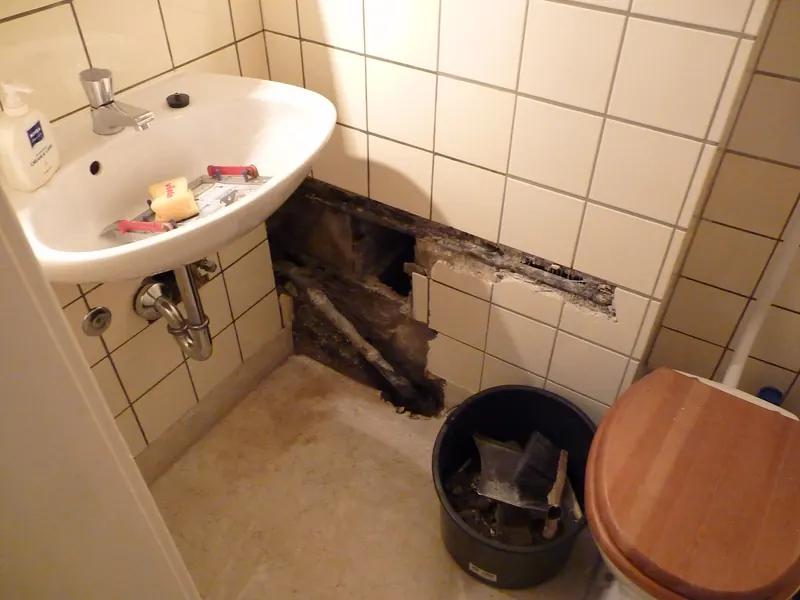
Mold After a Plumbing Leak or Burst Pipe
Whether water came from a slow drip or from a burst pipe, plumbing leak mold is cleared from wet cabinets, wall surfaces and floors.
See mold after a plumbing leak or burst pipeGet a plan for mold under sink plumbing, behind cabinets or near an appliance in Bell Canyon. Cover the leak, containment, drying and repairs.
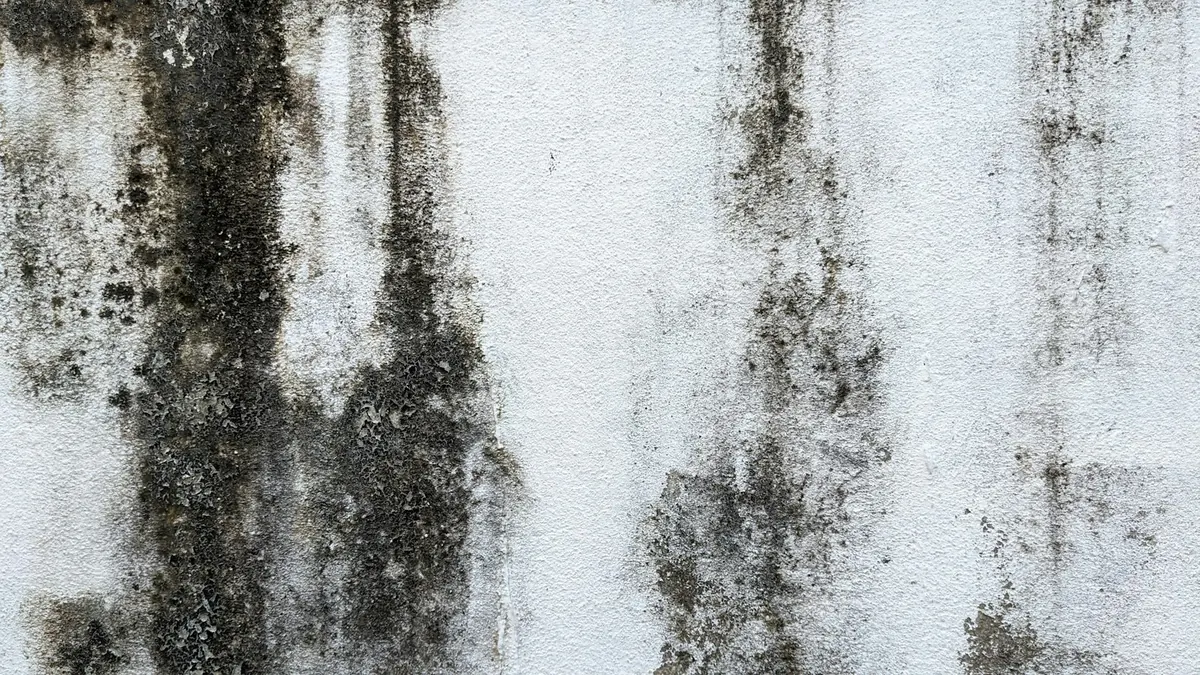
This work starts with locating the water source, followed by containment, damage removal, surface cleaning and drying.
Kitchen drywall, flooring and the bottom of a cabinet can become affected when sink plumbing, a dishwasher, a faucet or a refrigerator supply line leaks.
Affected materials, tear-out limits, containment, cleaning, drying, leak correction and end-of-job moisture readings belong in a written scope.
Ask how nearby materials, appliance lines and plumbing will be inspected and shown to be dry.
Check for details on HEPA filtration, removal limits, repairs, drying, cleaning and hidden growth found during work.
Choose an independent assessor for clearance testing, not the removal company.
Find out how the work will control barriers, negative air and food preparation areas that remain clean.
A visible surface mark differs from mold that has entered a wet wall void or particle board. These are common situations to check:
Black mold under kitchen sink describes appearance and does not prove a danger. Color does not reveal risk, based on CDC guidance.
Buildup on a surface is different from mold growing within damp cabinet material. Repeated odors point to the need for plumbing and moisture checks.
Kitchen drywall may become soaked by a slow plumbing leak. Peeling paint or stains can show up far from the source.
A cabinet base may be wet when its particle board swells or its laminate peels. Removal may be needed for porous material.
When safe, stop new water first and leave the growth undisturbed.
Call (844) 352-3560Fixr publishes $1,200 to $10,000 as the kitchen mold removal range, not a quote. Cost factors include the location, replacing materials and repairing the leak.
No site visit was used for these ranges, which are drawn from published national cost guides. Following an on-site assessment, the property price should be explained to you before any work begins.
Ask about cost: (844) 352-3560Coverage depends on your policy and the cause. Sudden water damage that is covered may qualify, but policies commonly exclude moisture that develops over the long term.
A sudden appliance failure may be treated differently from a slow leak or recurring condensation. Read your policy terms.
Under California's housing law, visible mold found by a health officer or code enforcement officer can make a rental substandard. Renters can contact their local health or code enforcement department to ask for an inspection. Keep dated photos and messages about the leak, growth and repair access.
California's Toxic Mold Protection Act includes a landlord written-disclosure section (Health and Safety Code 26147). By its own wording it applies only after the state adopts mold exposure standards, and the state health department has said it could not set them. Save your leak repair record and scope along with pictures, moisture readings and independent clearance findings.
File promptly. Ask your insurer about documentation, coverage for the cause, the mold sublimit and relocating damaged cabinetry.
The affected area and material types set the precise process.
Inspect the cabinets, plumbing, appliance lines, floor, ceiling and walls. Moisture readings set the affected boundaries.
Dust remains enclosed by poly sheeting as the air filtration device maintains negative air pressure.
Porous materials such as wet particle board and drywall are contained in bags or wrapping.
Sound framing and non-porous surfaces are cleaned. Antimicrobial treatment does not replace cleaning.
A dehumidifier with air movers can help the area dry. Moisture readings guide your repair after remediation.
Give final cleaning a visual inspection. An independent assessor conducts air sampling or clearance testing.

Call whenever you need. Your call reaches a kitchen mold removal specialist who hears your concerns and explains the process ahead.
Removal becomes more difficult if mold enters hidden spaces, porous material, HVAC components or water that is contaminated.
Allergy and asthma symptoms can be triggered by mold. More risk applies to people who have asthma, lung disease or weakened immune systems.
Particle control uses a HEPA air scrubber, poly sheeting, a containment barrier and negative air pressure.
The EPA advises seeking experienced help with contaminated water. Disposal methods and protective equipment should fit the contamination source.
Can you clean it yourself? An area under about 10 square feet can often be homeowner-cleaned, according to EPA guidance. Seek professional help when contaminated water, a larger area or HVAC equipment is involved. Start by repairing the water issue.
You may keep cleanable hard surfaces. Removal may be necessary for porous materials with mold.

California has no state license or certification for mold assessors or remediators, according to the California Department of Public Health. General construction work above a small dollar amount does need a license from the Contractors State License Board (CSLB), so it is worth checking a contractor's license there and asking about their mold training. Confirm applicable permit requirements for plumbing, rebuilding or electrical work.
Dry water-damaged areas and items within 24 to 48 hours to prevent mold growth. Address your water problem before cleanup.
There is no federal indoor mold limit. Your decision should account for visible conditions, moisture readings, affected materials and the purpose of testing.
The California Department of Public Health (CDPH) Air Quality Section publishes mold and dampness guidance and a mold FAQ. CDPH says visible mold, dampness, and mold odor are unhealthy and should be fixed, and that routine mold testing is not needed when mold is visible. Ask which requirements cover the planned project and your type of property.
A firm schedule comes after inspection. The time required changes based on water spread, removal needs, leak correction and drying.
The full kitchen mold removal guide covers what is cleaned or removed, odor and air quality work, and the rules that apply in your state.
Read the full kitchen mold removal guideLocal humidity and housing, along with access to your property, can influence mold cleanup planning, moisture control and containment.
Where renters account for 4 percent of homes, property owners can check exterior drainage, roofing, plumbing, and indoor humidity when deciding why mold returned.
With housing centered on a 1984 build year, mold removal may require checking wall cavities, attic insulation, basements, or crawl spaces for moisture that is not visible.
At 100 percent single-family housing, owners should consider both indoor leaks and exterior water entry when deciding which materials need removal.
With 4 percent of seniors living alone, regular checks under sinks and around ceilings can still help reveal moisture before mold spreads behind materials.
You can ask about mold cleanup in nearby communities and ZIP codes during the call.
Whether water came from a slow drip or from a burst pipe, plumbing leak mold is cleared from wet cabinets, wall surfaces and floors.
See mold after a plumbing leak or burst pipe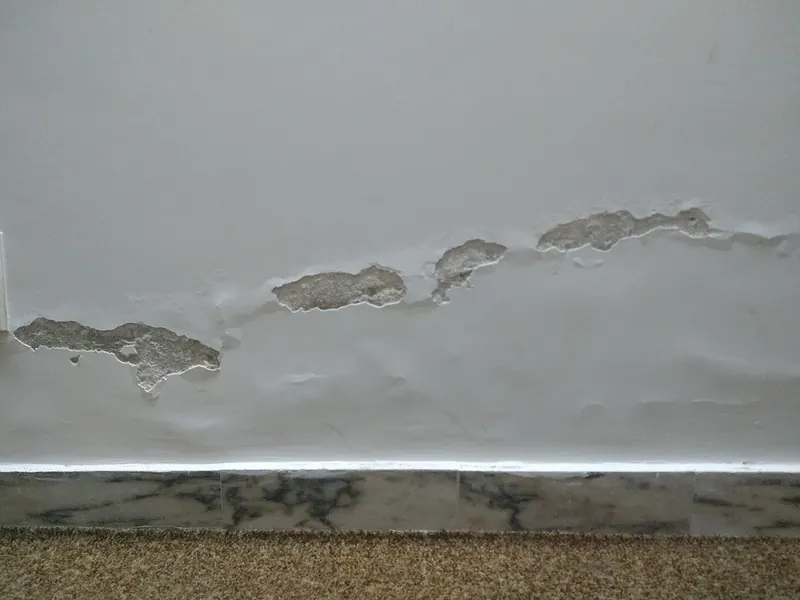
Hidden mold remediation locates and clears hidden mold behind wall surfaces, beneath flooring and over ceilings where it is out of view.
See hidden mold remediation (behind walls)
Wall and drywall mold removal opens the affected surface, removes damaged drywall and cleans framing within the wall before replacement.
See wall and drywall mold removal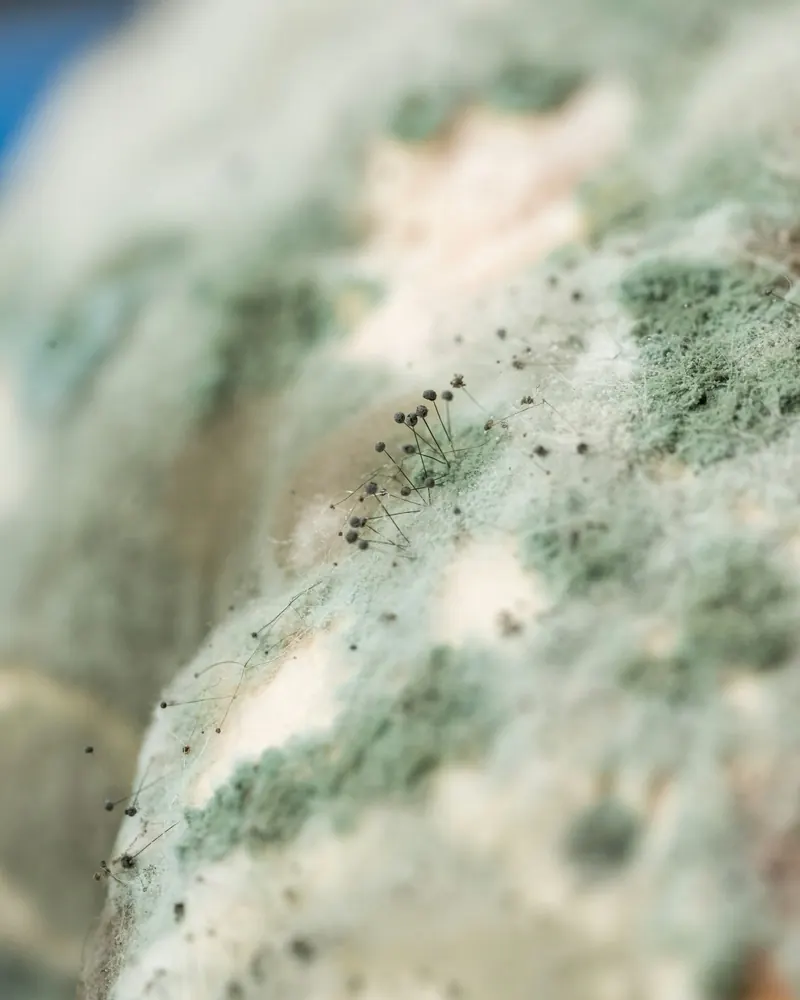
Floor and subfloor mold removal cleans or replaces moldy carpet, flooring and subfloor and fixes the moisture source below.
See floor and subfloor mold removal
Water damage mold cleanup includes clearing growth caused by a flood or leak and drying the affected structure against a return.
See water damage mold cleanup
This service pairs a mold inspection with removal, so the crew finds where mold is growing and then cleans it out.
See mold inspection and removal
Mold damage restoration clears the growth before damaged insulation, flooring, drywall and other building materials are repaired or replaced.
See mold damage restoration
Mold clearance testing follows removal and uses a visual check plus air samples to verify that the area is clean.
See mold clearance testingMold needs moisture. Moisture may come from condensation, high humidity, a plumbing leak, a dishwasher leak, a refrigerator water line or loose faucet connection. Mold may appear only after water has traveled under your floor or cabinet base. Start by finding the moisture source and repairing it.
Check for musty odor, wet items, peeling finishes, expanded particle board, stains and visible growth. Without scraping surfaces, examine your water-supply and drain connections. A moisture meter shows where material remains damp. Thermal imaging may guide inspection, but it cannot confirm mold on its own.
The water source and your specific policy control whether coverage applies. Long-term leaks, recurring humidity and neglected maintenance are commonly excluded, while mold from a covered sudden event may qualify. Check for mold sublimits, record all damage and verify your insurer's requirements before anything is removed.
It varies with the amount of growth and material involved. Tile, metal and other non-porous surfaces may be cleaned and dried. Growth can enter particle board, drywall and other porous materials. For affected sections, leak repair and drying may follow controlled removal.
Fixr publishes a range of $1,200 to $10,000. The listed factors cover leak source repair, replacement flooring, drywall or cabinets, and growth behind cabinets, appliances or below sinks. Your final project scope depends partly on access and the square footage affected.
EPA guidance points to professional help when growth exceeds about 10 square feet, water damage is extensive, HVAC equipment may be affected, or contaminated water is involved. When containment is more than a small cleanup, seek help for growth beneath floors or inside wall cavities.
For calm and useful guidance about kitchen mold removal, you can reach someone by phone 24 hours a day.